Thomas Nyarko Ampem Alleges Customs Collusion in GH¢85m Transit Cargo Scandal
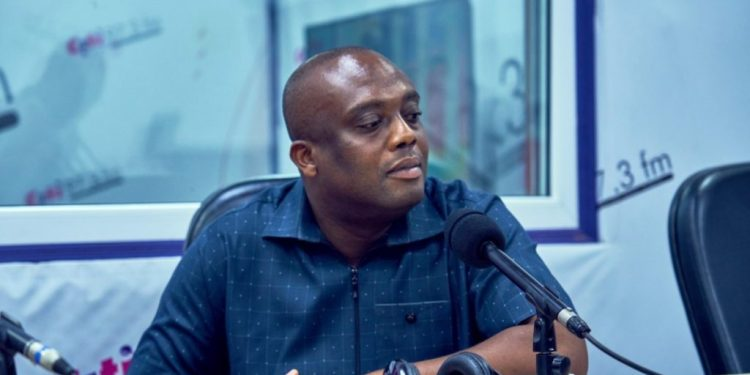
Deputy Minister for Finance, Thomas Nyarko Ampem, has alleged that some officers within the Customs Division of the Ghana Revenue Authority are collaborating with importers to under declare goods, causing substantial revenue losses to the state.
His remarks follow the interception of 18 articulated trucks at the Akanu and Aflao border posts on February 18, 2026. The trucks, which had been declared as transit cargo destined for Niger, were carrying assorted goods including cooking oil, spaghetti and tomato paste.
According to officials, the vehicles were flagged over suspected irregularities and were allegedly moving without the mandatory customs human escort required under transit procedures. The consignments are believed to represent potential lost revenue of about GH¢85.3 million, with an initial assessment estimated at GH¢2.62 million.
Speaking on the Citi Breakfast Show on February 23, Mr Nyarko Ampem indicated that concerns about customs officers aiding importers to manipulate declarations are not new. He revealed that customs authorities had been monitoring the shipments prior to the interception and that internal communication had warned against allowing the goods to proceed.
He further disclosed that the two officers officially assigned in the system to escort the trucks were not present at the time of the operation. When questioned, they reportedly provided varying explanations, a development that triggered further scrutiny.
The Deputy Minister stated that while many customs officers discharge their duties with professionalism, a small number engage in practices such as undervaluation and diversion of goods in collaboration with importers.
He noted that the Finance Minister has ordered a full investigation into the incident and stressed that government is determined to eliminate revenue leakages at the country’s borders. He assured that any officers found culpable would face appropriate sanctions as part of broader efforts to strengthen customs enforcement and protect national revenue.