Sarkozy’s Fall from Grace: The Price of Betraying Gaddafi and Africa’s Dream of Freedom
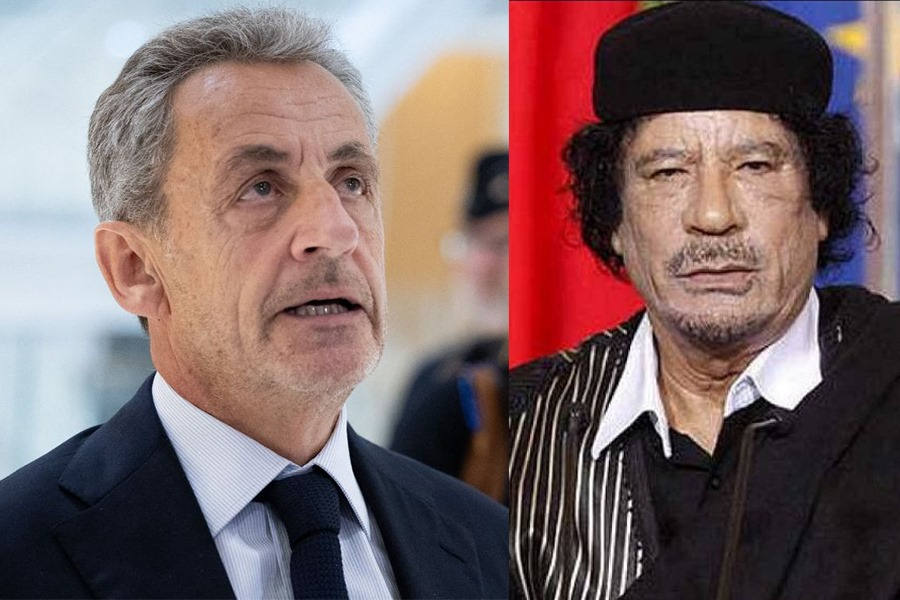
Nicolas Sarkozy, the disgraced former president of France (2007–2012), wakes up this morning in a high-security prison cell a far cry from the days when he strutted the world stage as one of Europe’s most powerful men. The once-celebrated French leader is now a convict, serving a five-year jail term. Many see it as poetic justice a small beginning of divine retribution for a man whose hands are not only stained with corruption but with the blood of a betrayed friend and a devastated nation. Sarkozy’s name will forever be linked to the destruction of Libya and the brutal murder of Muammar Gaddafi a man who, despite Western propaganda, transformed Libya into one of Africa’s most prosperous nations.
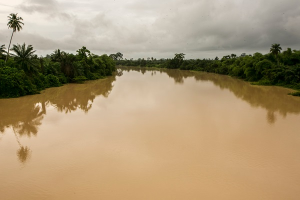
Before NATO’s bombs rained down, Libya was debt-free, wealthy, and peaceful. Under Gaddafi, Libyans enjoyed free healthcare, free education, subsidised housing, and one of the highest living standards in Africa. He even built the Great Man-Made River Project the world’s largest irrigation system to bring water to the desert.
Gaddafi’s greatest “crime” was not dictatorship it was his dream, a dream too powerful for Western interests to tolerate. He envisioned a united and independent Africa, free from the economic chains of Europe and America. His plan to create a single African currency backed by gold would have freed African nations from dependence on the U.S. dollar and the French-controlled CFA franc. That vision terrified the West. A self-reliant Africa, trading in its own currency and speaking with one voice, was unacceptable to those who had long benefited from the continent’s division and dependency. So, they branded Gaddafi a tyrant, orchestrated his overthrow, and celebrated his gruesome death plunging Libya into chaos, slavery, and despair.
Today, as Sarkozy sits alone in his prison cell, perhaps he is beginning to understand that no one escapes justice forever. He may have escaped the judgment of men for his crimes against Libya and Africa, but he cannot escape the judgment of history — nor that of the Almighty. The fall of Sarkozy is a reminder to all world leaders that power is fleeting. The same hands that sign war orders will one day tremble in weakness. The same lips that utter deceit will one day beg for mercy. Muammar Gaddafi may be gone, but his vision of a strong, self-reliant, and united Africa remains alive in the hearts of millions. Sarkozy’s downfall is more than personal disgrace it is a symbol that truth and justice may delay, but they never die. For every Gaddafi betrayed, there will always be a Sarkozy brought low.
Let this be a lesson to Africa’s leaders. The West will only respect Africa when Africans begin to respect themselves, their people, and their destiny. Gaddafi dared to dream of an Africa free from external control; it is now up to the living to make that dream a reality. Africa must rise, unite, and speak with one voice for freedom is never granted; it is claimed.
Contrary to the lies spread by mainstream media, Gaddafi’s Libya was a story of transformation. In 1951, Libya was the world’s poorest country. Under Gaddafi, it became Africa’s most developed nation, with $150 billion in foreign reserves and zero national debt. Here’s what life was like in Libya under Gaddafi: he implemented the world’s biggest irrigation project, the Great Man-Made River, to ensure water availability in the desert.
There were no electricity bills power came free to all citizens. There were no interest rates on loans all banks were state-owned and by law loans carried zero interest. Gaddafi promised not to buy a house for his parents until every Libyan owned a home. Every newlywed couple received 60,000 dinars from the government to buy an apartment and start a family. Education and medical treatment were free, and literacy rose from 25% before Gaddafi to 83% during his rule.
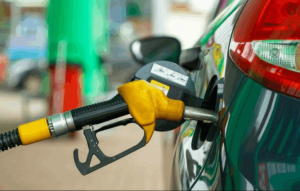
If citizens wanted to live on a farm, they were given free household appliances, seeds, and livestock. If they couldn’t receive treatment in Libya, the state funded $2,300 plus travel and accommodation for treatment abroad. When citizens bought a car, the government financed 50% of the price. Gasoline cost only $0.14 per litre.
Libya had no external debt, and its $150 billion reserves were later frozen worldwide. Graduates who couldn’t find jobs were paid the average salary until they secured employment. Part of Libya’s oil revenue was deposited directly into citizens’ bank accounts. Mothers received $5,000 for every child born, and 40 loaves of bread cost just $0.15.
Libya’s story under Gaddafi was one of national pride, self-reliance, and prosperity — until the bombs fell. And as Nicolas Sarkozy sits behind bars, history delivers its quiet verdict: truth may be buried, but it never dies; justice may delay, but it always arrives.
By Onsy Kwame Nkrumah