
Russia Concludes Tests of Nuclear Powered Missile as NATO Raises Security Concerns
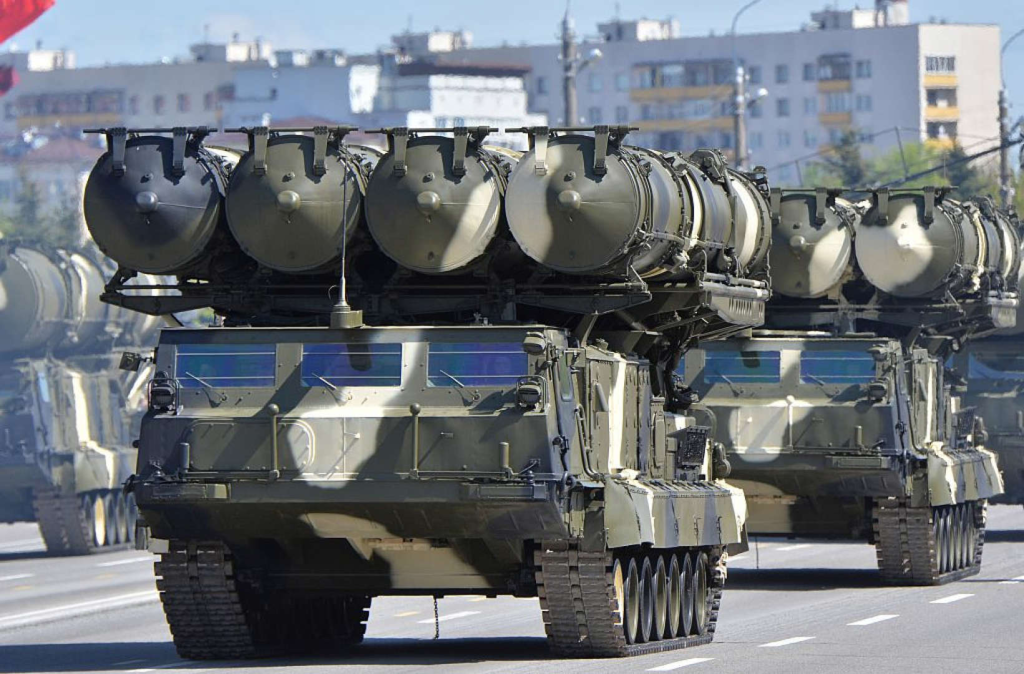
Russia has announced the completion of tests for its new Burevestnik nuclear missile, a system Western security officials describe as one of the most concerning additions to Moscow’s strategic arsenal. Details contained in recently released NATO-classified documents indicate that the missile is designed to operate at roughly 560 mph (about 900 km h) and is powered by a compact nuclear reactor that enables it to travel for extended periods without range limits. It can also be deployed from mobile launch platforms and is engineered for complex flight paths.
Security analysts warn that the missile’s ability to travel across remote polar or southern air corridors gives it the potential to strike European targets while avoiding most established monitoring systems. This long-distance flight capability is considered its primary advantage. However, experts point out that the missile does not reach hypersonic speeds, a factor that could make it more susceptible to certain defensive countermeasures.
Relations between Russia and the North Atlantic Treaty Organization have shifted from cooperation to open confrontation over the past decade. The current climate is reminiscent of Cold War tensions, with NATO leaders repeatedly describing Russia as an immediate security challenge. Despite numerous warnings and diplomatic protests, the Alliance has struggled to curb Moscow’s pursuit of advanced weapons and its broader strategic posture.