
‘My father triggered the Bawku conflict for political gain’ – Sekou Nkrumah
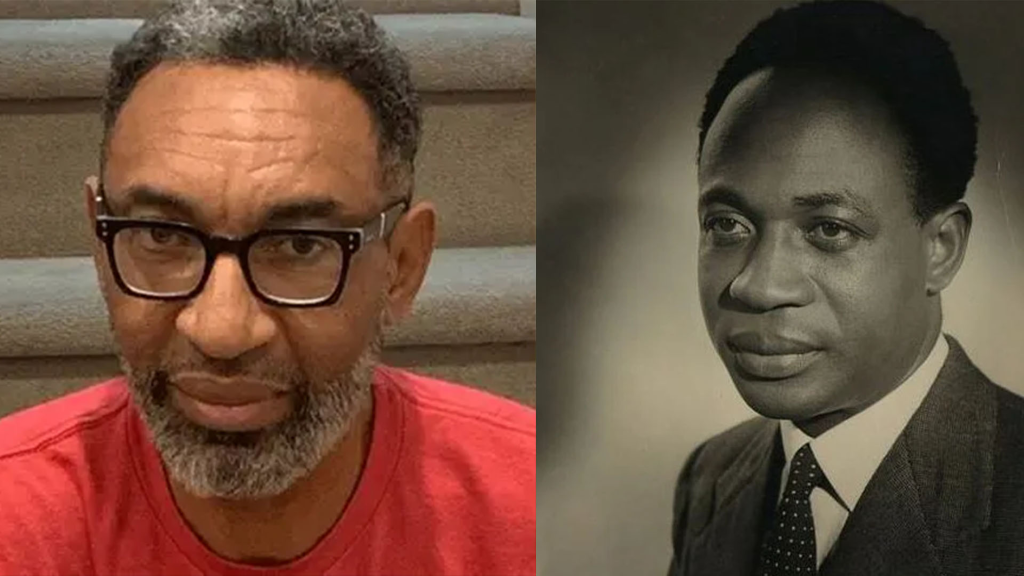
Sekou Nkrumah, son of Ghana’s first President Dr Kwame Nkrumah, has attributed the roots of the long-running Bawku chieftaincy conflict to political decisions taken in the early years after independence.
Speaking on Asaase Radio, he said the Mamprusi–Kusasi dispute did not originate from natural succession disagreements but from deliberate political interference that altered an otherwise stable traditional authority system for partisan gain.
According to Sekou Nkrumah, the conflict took shape when the Convention People’s Party (CPP) government dismantled the existing chieftaincy structure in Bawku and introduced a parallel system, a move he said prioritised political strategy over custom and legitimacy.
He explained that colonial authorities had maintained a single recognised traditional authority in Bawku, which provided clarity and relative stability. That arrangement, he noted, was disrupted shortly after independence when a rival chief was installed, creating competing claims to the Bawku skin and entrenching division.
While critical of the outcome, Sekou Nkrumah said he understands the political logic behind his father’s actions, noting that electoral patterns from the 1950s influenced how traditional authority was used to consolidate political power.
He said chieftaincy structures were manipulated as part of a broader CPP effort to integrate traditional authority into a centralised modern state, often at the expense of long-established customs. Chiefs perceived to be aligned with opposition parties were weakened, while loyalists were elevated, with the Mamprusi Kingdom among areas he said were politically targeted.
Sekou Nkrumah added that successive governments after the overthrow of Dr Nkrumah inherited and sustained these fault lines, arguing that the conflict persists not because solutions are absent, but because resolving it would require political sacrifices many administrations have been unwilling to make.
He concluded that the Bawku crisis is now driven more by political convenience than tradition, making lasting resolution difficult.