
Ghana Saves $1.4 Billion from Oil Revenue Since 2010 – Report
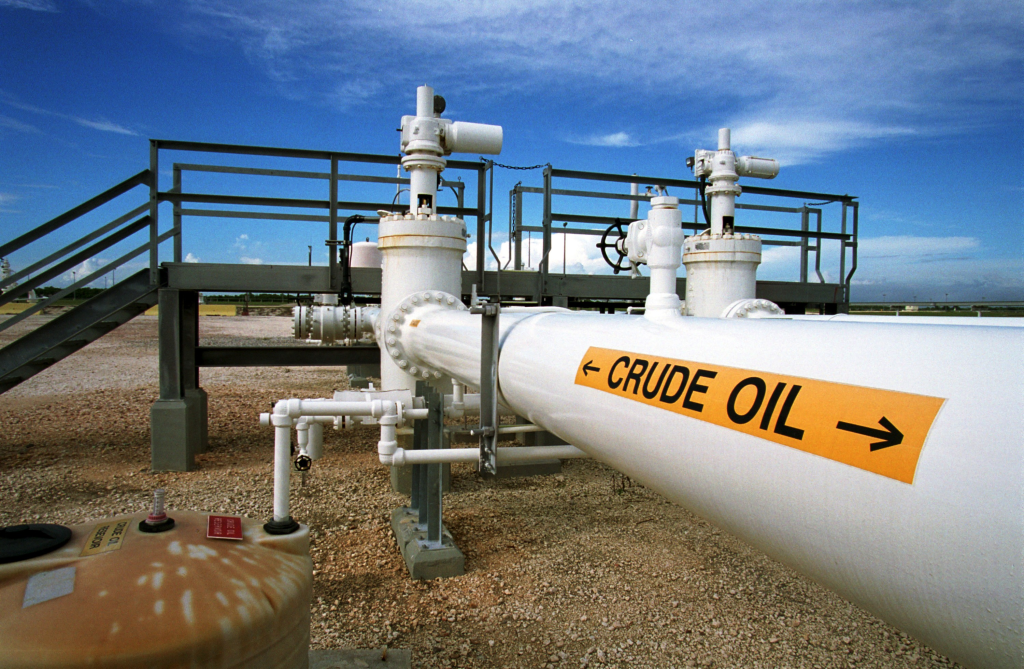
Ghana has managed to accumulate $1.4 billion in savings since the country began commercial crude oil production in 2010. This was revealed in the latest Petroleum Investment Report, which tracks how the country has managed and invested revenues from its oil sector.
The funds have been built up through a combination of crude oil export earnings, taxes from oil companies operating in Ghana, and rental payments to the state. These revenues are managed under Ghana’s Petroleum Revenue Management framework, with allocations made to both the Stabilisation Fund and the Ghana Heritage Fund.
As of June 2025, the Stabilisation Fund, which is designed to buffer the economy against oil price shocks and revenue volatility, had a closing book value of $122 million. The fund opened the year with $196 million but saw withdrawals totaling $121 million to support budget needs and economic stability.
Meanwhile, the Ghana Heritage Fund, meant to serve as a long-term reserve for future generations after oil resources are depleted, has now reached $1.3 billion. It is primarily invested in low-risk assets with the aim of preserving capital while earning moderate returns over time.
Despite these gains, some analysts believe Ghana could have earned significantly more from its oil sector. They point to the country’s strict legal framework governed by the Petroleum Revenue Management Act, 2011 (Act 815), as amended as both a safeguard and a potential limitation. While the law ensures transparency and fiscal discipline, critics argue that Ghana should explore more diversified investment strategies to maximize returns.
There are ongoing discussions within the industry about updating the legislation to allow more flexibility in investment choices, as well as enhancing the country’s capacity to negotiate better terms in oil contracts.