From Optional to Essential: Ghana’s ESG and Sustainability Transformation – 1st Africa Global ESG & Sustainability Reporting Summit Held in Accra
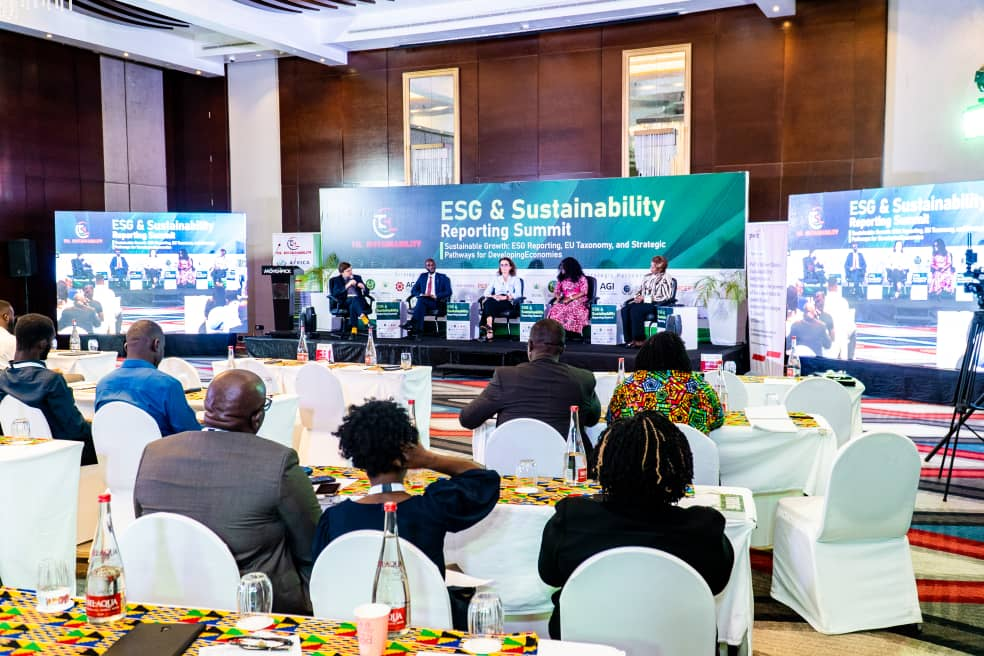
Speaking on behalf of President John Dramani Mahama at the opening of the first African Global Environmental, Social, Governance, and Sustainability Reporting Summit in Accra, Ghana, on 1st and 2nd September 2025, Engineer Seth Mahu, Director of Renewable Energy at the Ministry of Energy and Green Transition, emphasized that ESG and sustainability are no longer an alternative but essential to unlocking new markets and creating jobs for people, which will turn Africans’ potentials at speed and skill.
According to Ing. Mahu, ESG and sustainability are opportunities to design a practical roadmap tailored to Ghana’s development realities, empowering industries and mobilizing the formal sectors in Ghana, and also essential to strengthen supply chains and create quality jobs. “ESG is no longer optional but essential to access professional facilities, unlock new markets, strengthen supply chains, and create quality jobs for our people.” He emphasized that energy security, industry decarbonization, and inclusive development are the basic pillars their mission rests on, which will accelerate the energy transition through renewable energy, nuclear power development, and universal access to energy development.
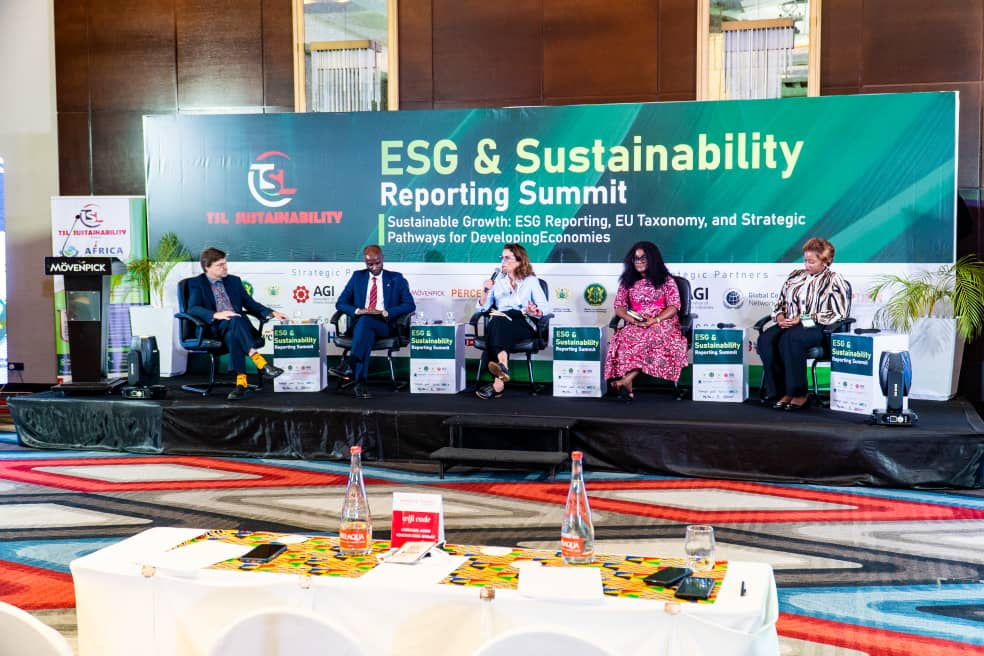
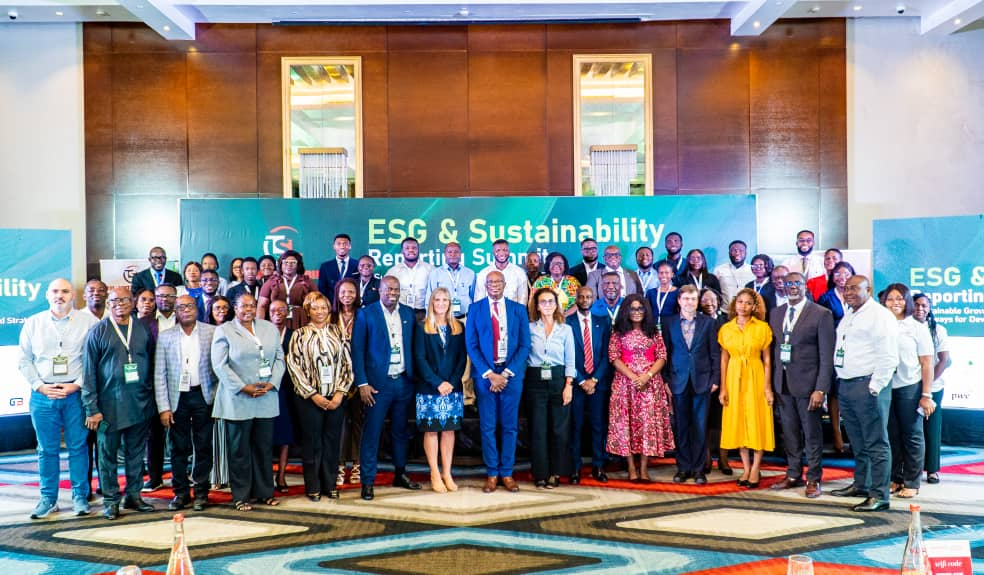
The ESG and Sustainability Reporting Summit, organized by TSL Sustainability, in partnership with the Ministries of: Energy and Green Transition, Environment, Science, and Technology, Lands and Natural Resources, researchers, engineers, sustainability professionals, institutions whose mandates align with ESG and sustainability, and some private sector organizations. The summit addressed two key strategies under ESG and sustainability: Day 1 – ESG foundation and global context, and Day 2 – Implementation and strategic pathways.
Professor Nana Ama Browne Klutse, Chief Executive Officer of the Environmental Protection Authority, addressed the aim of building national systems for reliable ESG climate data, including emissions, water, energy use, waste, among others. She further stated that Ghana’s approach to ESG and sustainability isn’t “copy and paste” but to identify overlap between EU taxonomy criteria and Ghana’s priority sectors, and also to guide firms on credential transitions that are feasible, locally appropriate, and bankable.
Dr. Ing. Shelter Lotsu, the Chief Executive Officer of TSL Sustainability Limited, emphasized the necessity of ESG reporting. He said the Ghana Exchange has introduced ESG guidelines, but they are not mandatory, which makes it difficult for investments. He inspired Ghanaians to write a story of responsibility, resilience, and renewal to ensure that the Africa we hand over to the next generation is one that is greener and more prosperous.
The summit had panel discussions and presentations where ESG and sustainability experts, such as Dr. Wayne Visser (Head Program Instructor and Lecturer at the University of Cambridge Institute for Sustainability Leadership and the GALP), Mr. Emmanuel Zinsu (Head of ESG Department at HPC, Germany), Ms. Angelique Dickson (President of Inogen Alliance and EVP Antea Group, USA), Ms. Angel Mgawe (Director of ESG and Sustainability at Reet, Tanzania), Ms. Mina Opoku Agemang (UN Global Compact, Ghana), Mr. Richard Ansong (Assurance Partner, PwC, Ghana), Ms. Indira Kartallozi (ESG and Sustainability Professional) Ms. Kim Schoppink (Europe Regional Lead at the Science Based Targets Initiative), Ing. Kwabena Bempong (Director, Associated Consultants, Ghana), Mr. Joseph Osiakwan (Technical Director Forestry, at the Ministry of Lands and Natural Resources), Prof. Godfred Bokpin (Lecturer, University of Ghana Business School), Dr. Sandra Kesse (Director, National Development Planning Commission), Marilyn Obaise-Osula (Partner, ESG Sustainability and Climate Change Service – PwC West Africa & Net Zero Leader), and other prominent dignitaries, highlighted some interesting ESG topics on engineering, mining, climate regulations, foundation, and strategic framework for ESG and sustainable development, among others.
According to some speakers, education, social engagement, providing livelihoods, and social interventions for the people must be attended to in promoting ESG and sustainability reporting in Ghana. Others stressed the need for capacity building and data infrastructure investment to equip stakeholders for effective ESG implementation.
The first Global Environmental, Social, Governance, and Sustainability Reporting Summit aims to push ESG reporting in the country and resolve ESG issues, which will benefit the current and next generation.
– Roberta Nuerkie Tetteh