Chamber of Mines Urges Rail Infrastructure to Boost Mineral Exports

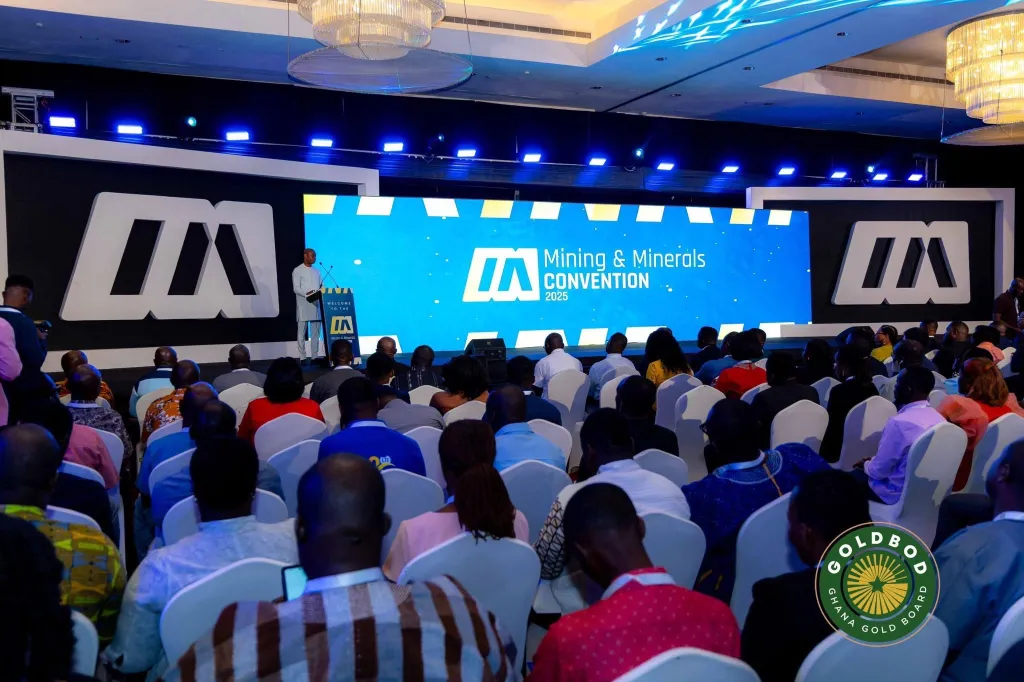
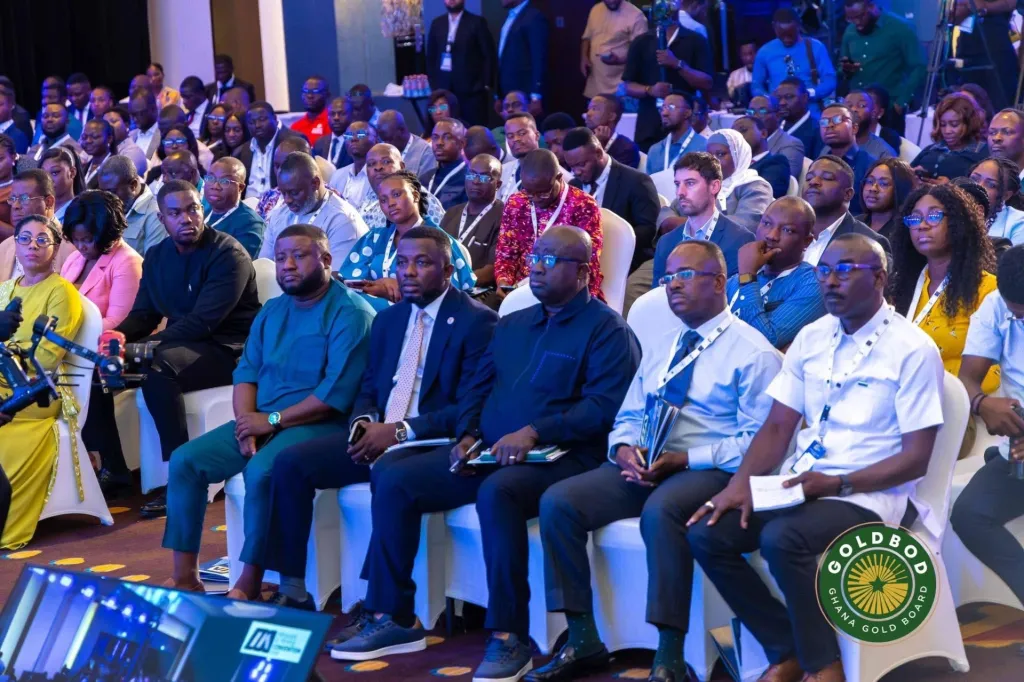
The Chief Operating Officer of the Ghana Chamber of Mines, Ahmed Nantogmah Dasana, has underscored the urgent need for a dedicated railway system to move Ghana’s manganese and bauxite from mine sites to markets. Speaking at the 2025 Minerals and Mining Convention at the Kempinski Gold Coast Hotel in Accra, he stressed that rail development is vital for maximizing the potential of the country’s mining industry.
While acknowledging that the transition from road to rail may face pushback from truck drivers, Mr. Dasana proposed an inclusive approach. He suggested that drivers could be given opportunities to invest in or co-own rail operations, ensuring they are not excluded from the new system.
Strengthening Governance and Local Participation
Mr. Dasana welcomed Parliament’s decision to streamline the approval process for mining leases, describing the new 60–90 day ratification period as a step that will bolster investor confidence and speed up decision-making.
He also highlighted Ghana’s progress in building local capacity. According to him, nearly 99 percent of the current mining workforce is Ghanaian, a major shift from earlier years when expatriates held most positions.
On ownership, he revealed that Chinese firms hold 33 percent of Ghana’s mining stakes, Canadian investors 30 percent, and Ghanaians 20 percent.
Outlook: Diversifying Minerals
Ghana currently runs one bauxite and one manganese mine, but attention is shifting toward lithium and iron ore as part of a broader diversification agenda. Dasana, however, cautioned that the growth of large-scale mining must go hand-in-hand with small-scale operations, as both rely on each other for sustainability.
Financing the Mining Industry
One of the challenges raised was the limited domestic capital in mining investments. Dasana expressed concern that funding continues to come largely from abroad. He suggested exploring the use of pension funds to finance low- to medium-risk mining projects, ensuring that more of the industry’s wealth is retained locally.
He noted that 70 percent of mining revenue stays in Ghana, with $2.86 billion spent domestically in 2024. He urged a fairer distribution of mineral royalties, particularly to mining communities, so that residents directly affected by extraction benefit from the industry.
Education and Capacity Building
The Chamber of Mines has also committed resources to education, having contributed $2 million to the University of Mines and Technology (UMaT) and invested over $10 million in educational initiatives across the sector.