Cedi records 3.9 percent depreciation against US dollar in Q1 2026
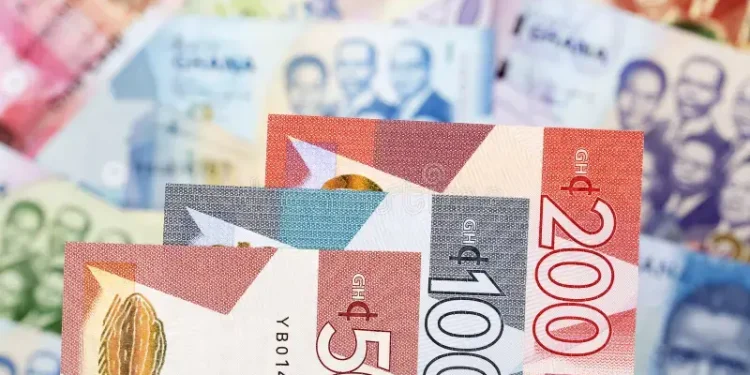
The Bank of Ghana has reported that the Ghana cedi recorded a year to date depreciation of 3.9 percent against the US dollar between January and mid March 2026, according to its latest Summary of Economic and Financial Data.
The figure represents a slight improvement compared to the 4.6 percent depreciation recorded in January, pointing to early signs of stability in the foreign exchange market.
Data from the central bank shows that the cedi traded at a mid rate of GH¢10.87 to the US dollar in March 2026. This marks a significant recovery from GH¢15.53 recorded during the same period in 2025, highlighting stronger performance over the past year.
Earlier in 2026, the local currency faced pressure, weakening by 4.6 percent in January before easing to a 2.2 percent decline in February. The moderation in losses suggests that market conditions have begun to stabilise.
In the retail market, however, the cedi has shown a stronger performance. It has appreciated by about 4.9 percent against the US dollar since the beginning of the year and is currently trading around GH¢11.70 to the dollar.
Against other major international currencies, the cedi recorded mixed results. It depreciated by 2.8 percent against the British pound and 1.7 percent against the euro, trading at GH¢14.46 and GH¢12.49 respectively in March 2026.
On a month on month basis, the cedi posted a slight gain, strengthening from GH¢10.95 at the end of February to GH¢10.87 in mid March. This marginal improvement provides some relief for importers and businesses that depend on foreign exchange, as it helps reduce the cost of transactions priced in dollars.
A year on year comparison further underscores the currency’s recovery. The improvement from GH¢15.53 per dollar in early 2025 to current levels reflects more favourable market conditions and improved macroeconomic management.
Movements against other major currencies present a varied outlook. The cedi weakened slightly against the British pound, moving from GH¢14.38 in February to GH¢14.46 in March. Against the euro, it strengthened marginally from GH¢12.63 to GH¢12.49, despite still recording a year to date depreciation.
Overall, the relative stability in the exchange rate, combined with easing inflation, which slowed to 3.3 percent in February 2026, indicates that Ghana’s macroeconomic environment may be entering a more stable phase, offering improved predictability for businesses and investors.