
Cedi @60 is meaningless unless it makes meaning in my pocket – Kofi Asante
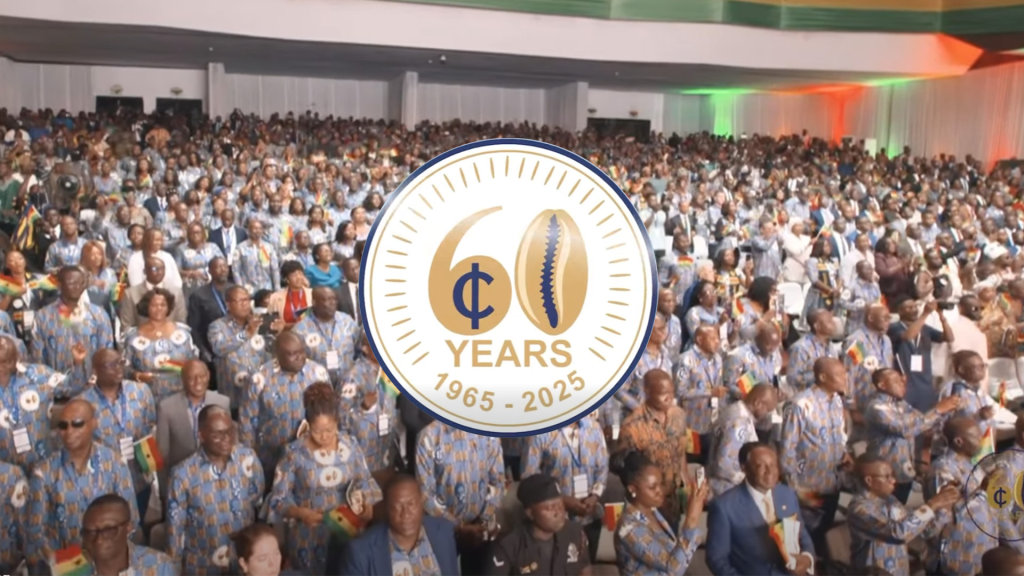
The Bank of Ghana launched Ghana’s currency, the cedi, marking its 60th anniversary. A symbol of our independence, identity, and economic sovereignty yet, six decades on, its journey tells a mixed story of pride and pain.
The facts are sobering. Since its introduction in 1965, the cedi has undergone multiple redenominations, transitioning from the pounds and shillings era to the current Ghana cedi. Its value has eroded dramatically, with inflation and depreciation wiping out savings, distorting prices, and reducing purchasing power.
The failures of the cedi lie not just in the numbers, but in the management. Poor fiscal discipline, overreliance on imports, and political cycles of overspending have weakened confidence in our own money. The cedi has too often been a reflection of our struggles rather than our strength.
Yet there have been gains the cedi remains one of the most resilient currencies in West Africa, surviving coups, global recessions, and pandemics. It continues to facilitate trade, pay salaries, and power our economy daily.
But here’s my take: Cedi @60 is meaningless unless it makes meaning in my pocket. A currency’s true worth is not in the celebration of its age, but in the value it delivers to the citizen. Until the cedi can buy more, stabilize livelihoods, and build confidence in the Ghanaian economy, this milestone remains symbolic — not transformational.
So, as we mark 60 years of the cedi, the question is not how far it has come, but how far it can take us — if managed with honesty, vision, and discipline.