After Guard Shooting, Trump Orders Immigration Halt and Eyes Expanded Travel Ban
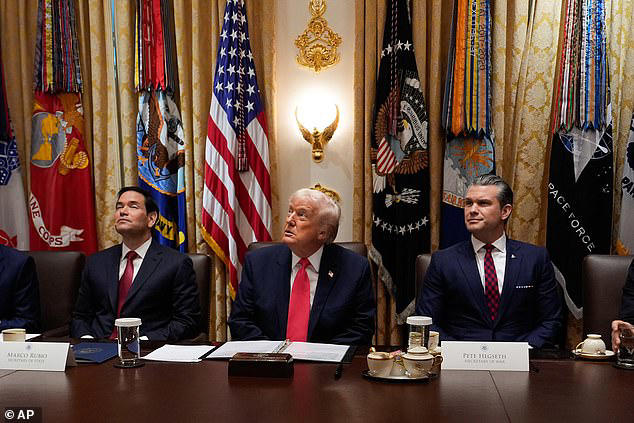
U.S. President Donald Trump has halted all immigration applications including permanent residency and citizenship petitions from nationals of 19 non-European countries, citing security and public safety concerns.
The policy, which took effect Tuesday, targets the same countries previously placed under a partial travel ban in June. Among the affected nations are Afghanistan and Somalia.
According to a New York Post report, the administration is also considering expanding the travel ban to more than 30 countries. The move marks one of the most aggressive immigration clampdowns yet under Trump’s current term, positioning immigration control as a centerpiece of his governing agenda.
Policy justification linked to Washington shooting
The memorandum announcing the freeze references the shooting of U.S. National Guard members in Washington last week. An Afghan national has been arrested as the primary suspect; one guard member died and another remains in critical condition.
Trump has linked the incident to what he describes as failures of border and vetting policy. He accused former President Joe Biden of allowing the suspect into the U.S. during the 2021 Afghanistan withdrawal, which he has repeatedly characterized as reckless.
Escalating rhetoric toward migrants
The president has intensified his criticism of migrants from some of the affected countries. In recent remarks, he described Somalis as “garbage” and stated, “we don’t want them in our country.” He also vowed in a post on Truth Social that he would “permanently pause migration from all Third World Countries to allow the U.S. system to fully recover.”
Secretary of State Kristi Noem echoed the administration’s hardline posture on Monday, revealing plans for what she termed a “full travel ban” on countries that are sending “killers, leeches and entitlement junkies.”
The administration has not released a public timeline for when the list of restricted countries could expand, nor has it clarified whether asylum, student visas, or humanitarian protections will be affected under future directives.