Parliament Moves to Scrutinise 1D1F Policy Over Failed Job Creation
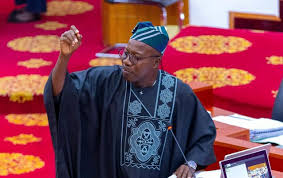
The Majority Caucus in Parliament has announced plans to demand a comprehensive audit of the One District One Factory (1D1F) policy when the House resumes, citing persistent allegations of corruption, abuse, and poor outcomes under the programme.
According to the Majority, the proposed audit will focus on identifying companies that benefited from tax exemptions under the policy and examining how those incentives were applied. The Caucus insists that public funds and concessions granted in the name of industrialisation must be subjected to full scrutiny.
The 1D1F initiative, which was introduced to drive decentralised industrial growth and expand employment opportunities, has come under sustained criticism from the Majority side. They argue that the policy failed to deliver on its core promises of job creation and meaningful industrial development across districts.
Describing the programme as a monumentally failed policy, the Majority maintained that weak oversight mechanisms and the misuse of state incentives undermined its effectiveness. In their view, the gap between the policy’s lofty objectives and its actual results reflects deeper governance and accountability challenges.
Majority Leader Ato Forson Ayariga argued that if the policy had been implemented effectively, thousands of young Ghanaians would today be employed in stable private sector jobs. He accused the Minority Caucus of adopting a selective concern for youth unemployment while defending a programme that, in his assessment, delivered little value for money.
The Majority believes the audit will serve a broader purpose beyond assigning blame. They say it will help Parliament draw lessons, strengthen oversight, and prevent future policies from consuming public resources without producing tangible economic benefits.
As expectations rise ahead of Parliament’s return, the proposed audit is likely to reignite debate over industrial policy, political accountability, and the role of incentives in Ghana’s development agenda.