
Ghana Training Students for the 1980s, Not 2030 – Yamson Warns
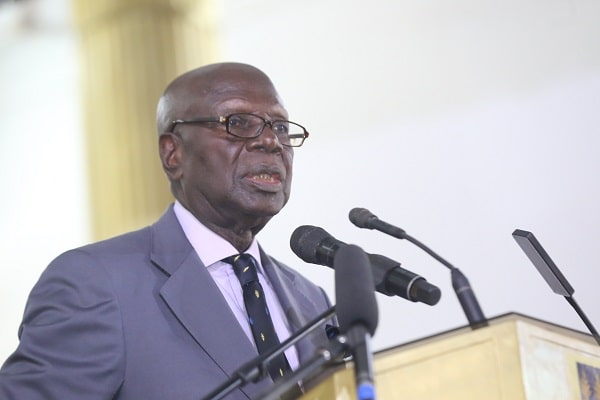
Dr Ishmael Yamson, Board Chairman of MTN Ghana, has cautioned that Ghana’s education and skills development system remains out of step with the demands of a modern economy, warning that the country is still preparing graduates for the realities of the 1980s rather than the needs of 2030.
Speaking at the 77th Annual New Year School and Conference on January 6, 2025, Dr Yamson argued that Ghana’s development ambitions would be severely constrained unless technical and vocational skills are elevated to the same level of respect, remuneration and recognition as traditional white-collar professions.
He said the prevailing mindset, which places greater social value on office-based careers over technical trades, must be fundamentally changed if the country is to build a sustainable and productive economy.
“This mindset must be reset. Skilled technicians in a reset Ghana should command the same respect and pay as a bank manager,” he said.
Dr Yamson observed that Ghana continues to produce large numbers of graduates whose training does not align with market needs, resulting in high unemployment among young people despite years of formal education.
“We are currently producing thousands of graduates from high schools, colleges and universities who are unemployable because their skills do not match the market. We are training students for the economy of the 1980s, not 2030,” he stated.
According to him, the widening gap between education and industry has weakened job creation, reduced productivity and contributed to growing frustration among the youth, many of whom increasingly view migration as their only viable option.
He stressed the need for a fundamental reset of Ghana’s education system, beginning with how university programmes are designed. Dr Yamson argued that academic curricula should no longer be developed in isolation by universities without meaningful collaboration with industry players.
“University curricula should not be written in isolation by professors. They should be developed with industry bodies,” he said.
Dr Yamson further emphasised that Ghana’s long-term development would depend more on practical and technical skills than on an overconcentration in traditional professions.
“The development of this country will not be driven by lawyers, sociologists and political scientists alone. It will be driven by welders, mechatronics engineers, agronomists and toolmakers,” he noted.
He added that the persistent neglect of technical skills has deepened graduate unemployment, widened skills shortages and constrained industrial growth, even as businesses struggle to find workers with relevant expertise.
Placing his comments within the broader context of economic reform, Dr Yamson warned that gains from stabilising inflation and the currency would not be sustainable without deeper structural changes. He called for urgent reforms in skills development to prepare Ghana for growth in emerging sectors such as artificial intelligence, green energy and advanced manufacturing.
Without decisive action, he cautioned, Ghana risks continuing to train generations of young people for jobs that no longer exist.