Bank of Ghana Targets $1bn FX Sales as New Operations Framework Takes Effect
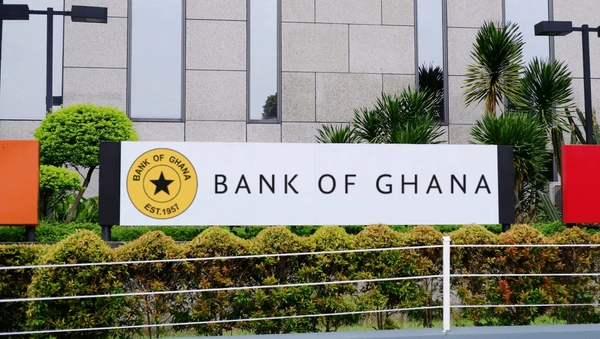
The Bank of Ghana (BoG) has announced plans to inject up to US$1 billion into the foreign exchange market in January 2026 under its Foreign Exchange (FX) Intermediation Programme, as part of ongoing efforts to stabilise the cedi and support market liquidity.
The plan was communicated to market operators through an official notice sighted by JoyBusiness, with the central bank indicating that the January auctions will be conducted in line with its newly approved Foreign Exchange Operations Framework.
According to the BoG, the FX sales will mark the continued operationalisation of measures outlined in the framework and will be aligned with the objectives of its reserve accumulation strategy. The programme is also expected to help moderate excessive volatility in the foreign exchange market, particularly within the context of inflows generated under the Domestic Gold Purchase Programme.
The central bank explained that the revised FX Operations Framework, approved by its Board in November 2025, is intended to reinforce macroeconomic stability under Ghana’s inflation-targeting regime while preserving a flexible, market-driven exchange rate system.
Under the framework, BoG’s FX operations are guided by three key objectives: building adequate foreign exchange reserves to cushion the economy against external shocks; reducing short-term volatility in the FX market without compromising exchange rate flexibility; and intermediating FX flows in a transparent and market-neutral manner using inflows from the Gold Purchase Programme and export surrender requirements.
This approach, the BoG noted, allows foreign exchange inflows to be channelled into the market in an orderly, non-directional way, ensuring fairness and transparency. The central bank added that volumes for subsequent months will be determined by prevailing market conditions.
Providing an update on recent activity, the BoG disclosed that although it planned to sell up to US$800 million in December 2025, it ultimately auctioned US$721 million under the FX Intermediation Programme. The sales were conducted through twice-weekly, price-competitive auctions open to all licensed banks, with the BoG stressing that no direct FX interventions took place during the period.
The revised FX Intermediation Programme was reintroduced in September 2025, when US$1.1 billion was auctioned. This rose to US$1.3 billion in October, followed by a full US$1 billion sale in November. The December target was subsequently reduced to US$800 million.
Market analysts credit the programme as a major factor behind the cedi’s strong performance in 2025. According to BoG data, the local currency recorded a cumulative appreciation of 40.67 per cent against the US dollar on a year-to-date basis, trading at around GH¢10.45 to the dollar by the end of the year.
In December alone, average daily interbank FX trading volume stood at US$19.70 million, contributing to a total monthly turnover of approximately US$394 million.
Attention is now turning to the central bank’s FX strategy for the first quarter of 2026, a period traditionally characterised by heightened demand for foreign exchange due to import financing and dividend payments to foreign investors.