Asenso-Boakye: I Warned Against Waste, Not the Accra–Kumasi Expressway Itself
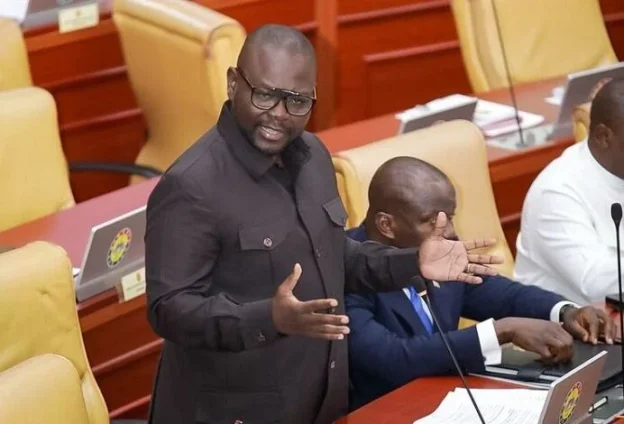
Former Roads and Highways Minister Francis Asenso-Boakye has refuted accusations that he attempted to block the proposed Accra–Kumasi Expressway project, insisting that his intervention focused solely on ensuring value for money and fiscal prudence.
His response comes after Finance Minister Dr. Cassiel Ato Forson claimed that Asenso-Boakye had advised former President John Dramani Mahama to scrap the expressway, arguing that it would be unnecessary and financially reckless. Speaking to the media on Monday, December 1, the Bantama MP described those claims as both inaccurate and unfair.
Concern Over Duplication, Not Cancellation
Asenso-Boakye explained that his letter to President Mahama did not oppose the expressway itself, but highlighted several technical and economic risks associated with abandoning the existing dualisation project midway.
“My second point was that they were going to abandon the existing highway,” he stressed.
He noted that the Accra–Kumasi dualisation project — a long-term national infrastructure investment — had already reached 64% physical completion, making it fiscally irresponsible to shift entirely to a new project.
The former minister argued that with Ghana facing limited fiscal space and multiple infrastructure demands, the state should safeguard prior investments rather than duplicating them.
A Project Spanning Multiple Administrations
Asenso-Boakye also underscored that improvements to the Accra–Kumasi corridor were not partisan initiatives but national infrastructure efforts sustained across governments.
He traced the project’s evolution:
- President Kufuor’s administration initiated several modernisation efforts, including works from Circle to Taifa, the Nkawkaw and Nsawam bypasses, the Nkawkaw–Apedwa highway, and the Fumesua–KNUST section in Kumasi.
- The corridor was then inherited by President Mills and President Mahama, though progress slowed.
- According to Asenso-Boakye, President Akufo-Addo revived the dualisation project, placing it on track toward advanced completion.
He maintained that his position was about protecting public resources, not political sabotage:
He emphasised the need to finish the ongoing project “with the project already 64 per cent physically complete.”
Debate Continues
The clarification arrives amid heightened scrutiny over Ghana’s infrastructure planning, where questions of sequencing, financing, and long-term maintenance continue to dominate policy discussions.