
Citizens Petition President Mahama to Oust Special Prosecutor and EC Chair
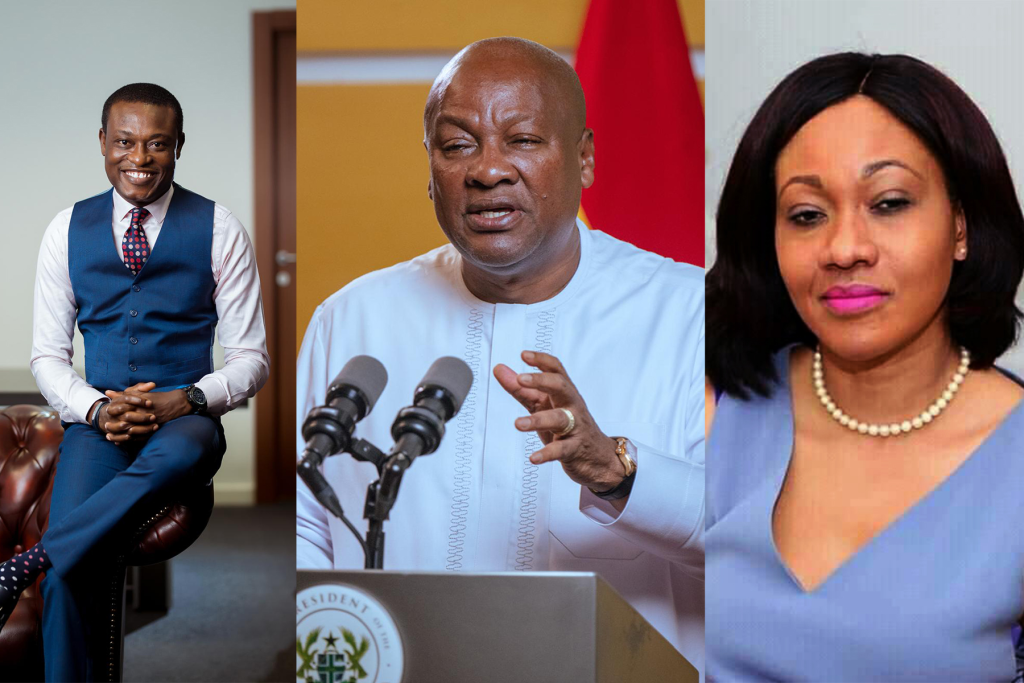
The Presidency has received ten separate petitions seeking the removal of Special Prosecutor Kissi Agyebeng, Electoral Commission Chairperson Jean Mensa, and her two deputies, Eric Bossman Asare and Samuel Tettey.
Sources within the Presidency told Citi News that the petitions were filed by private citizens, each alleging various forms of misconduct against the named officials.
Allegations Against the Special Prosecutor
According to the petitions, Kissi Agyebeng is accused of incompetence and abuse of office. His performance as Special Prosecutor has sparked public debate since his appointment in 2021.
While some argue the Office of the Special Prosecutor (OSP) has helped bring accountability to public institutions, others claim it has fallen short of expectations. Several legal figures have openly criticized his conduct and judgment.
Lawyer Martin Kpebu recently described Agyebeng as “extremely incompetent,” citing his decision to allow former Finance Minister Ken Ofori-Atta to travel outside the country while under investigation.
Another legal practitioner, Kweku Paintsil, has questioned the OSP’s frequent media engagements, warning that they risk turning investigations into public trials rather than judicial processes.
In 2023, an Accra High Court judge rebuked the OSP for acting “as if it had appellate jurisdiction” over the court, calling it an abuse of power. Former Special Prosecutor Martin Amidu has also labelled Agyebeng “unfit” for the role, particularly over his comments relating to the Strategic Mobilisation Ghana Limited (SML) case.
Petitions Targeting the Electoral Commission
The remaining petitions are directed at the leadership of the Electoral Commission. They accuse Jean Mensa and her deputies of mismanaging the commission and failing to ensure adequate accountability.
Specific concerns have not been publicly disclosed, but critics have in the past raised issues relating to transparency, internal decision-making processes, and communication practices within the EC.
Legal Process Now in Motion
All petitions have been formally forwarded to Chief Justice Paul Baffoe-Bonnie, who is mandated to review them and determine whether the claims warrant further action.
Under Section 16 of the Office of the Special Prosecutor Act, Act 959, the process for removal involves several steps:
- The President forwards any petition to the Chief Justice within 7 days.
- The Chief Justice has 30 days to decide whether a prima facie case exists.
- If a case is established, a three-member committee must be formed to investigate.
- The committee will include:
- A Supreme Court judge (Chairperson)
- A lawyer with at least 15 years’ experience
- A person with investigative expertise
- The committee will include:
- The committee then has 90 days to complete its investigation and submit recommendations.
- The President is bound to act in accordance with those recommendations.
This framework mirrors other removal proceedings for independent office holders, aiming to protect due process from political interference.
What Happens Next
The Chief Justice’s initial determination will shape the next phase. If he finds inadequate evidence, the petitions fall away. If a prima facie case is established, the matter escalates to a full inquiry.
The outcome could have wide political implications, especially as both the EC and the OSP sit at the center of governance, elections, and anti-corruption efforts.