
FAO Calls for Gender Equity as Key to Transforming Africa’s Agrifood Systems
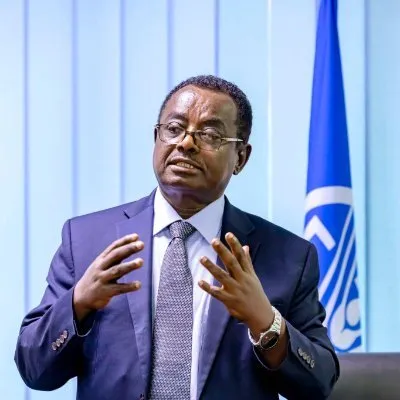
The Food and Agriculture Organisation of the United Nations (FAO) has reiterated its resolve to promote gender equity and support the empowerment of women and girls in Africa’s agrifood systems, stressing that sustainable transformation on the continent cannot be achieved without their full participation.
Speaking at a Regional Workshop and Awareness-Raising on Gender Equity in Agrifood Systems in Accra, Assistant Director-General and FAO Regional Representative for Africa, Dr. Abebe Haile-Gabriel, said women remain central to food production globally and must be adequately supported if countries are to realise efficient and resilient agrifood systems.
Barriers slowing women’s contributions
Dr. Abebe highlighted structural inequalities that continue to limit women’s productivity in agriculture, noting that many female farmers still face constraints in accessing land, finance, improved seeds, modern technologies, irrigation and extension services.
“These constraints are not only unfair but economically costly,” he stated, explaining that the barriers dampen interest in agriculture, hold back innovation and weaken women’s capacity to contribute effectively to food systems.
Data from FAO’s Status of Women in Agrifood Systems report shows that closing the existing productivity gap estimated at 24% would not only improve output but also significantly reduce food insecurity across Africa.
Workshop to strengthen policy direction
The two-day workshop brought together technical experts, policymakers, farmers’ organisations, civil society representatives and development partners from Ghana, Liberia and Sierra Leone. Discussions focused on the implementation of the CFS Voluntary Guidelines on Gender Equality and Women’s and Girls’ Empowerment (VG-GEWGE) to advance women’s participation in agrifood systems.
Participants reviewed policy mechanisms to increase women’s access to productive resources, enhance representation, and promote inclusive value chains.
FAO initiatives supporting gender transformation
Dr. Abebe outlined ongoing FAO interventions aimed at boosting women’s participation in agrifood systems. Since 2022, the Organisation has worked with the International Agri-Food Network (IAFN) to implement the Accelerator Mentorship Programme for Women-Led SMEs, a platform that connects women agripreneurs to tailored, one-on-one mentorship and support.
In addition, the FAO has partnered with the Africa Risk Capacity Group to promote gender-responsive disaster risk reduction, enabling governments to develop climate risk strategies that reflect the unique vulnerabilities and strengths of women.
“These examples show that progress is possible and happening,” Dr. Abebe said, adding that the CFS guidelines offer practical tools for designing, implementing and monitoring policies that close gender gaps in access to resources, opportunities and representation.
Call for deeper institutional commitment
Delivering a keynote address, Executive Director of SWIDA Ghana, Hajia Alima Sagito-Saeed, urged agriculture stakeholders to adopt policies that dismantle entrenched barriers excluding women from the benefits of agricultural transformation.
She argued that Ghana cannot meet the Sustainable Development Goals without gender-responsive agricultural planning backed by meaningful institutional and financial support.
Government commitment
Representing the Minister of Agriculture, Coordinator of the Feed Ghana Programme, Mr. Bright Demordzi, reaffirmed government’s commitment to empowering women across the agricultural value chain.
He highlighted initiatives such as the promotion of home gardens and ‘Nkokor Nkitinkiti’ poultry farming, which are designed to improve nutrition, provide income opportunities, and expand the involvement of women and young girls in agriculture.