Ghana /EU Launches €2.4m Forest Restoration Drive to Revive 5,000 Hectares and Support Rural Livelihoods
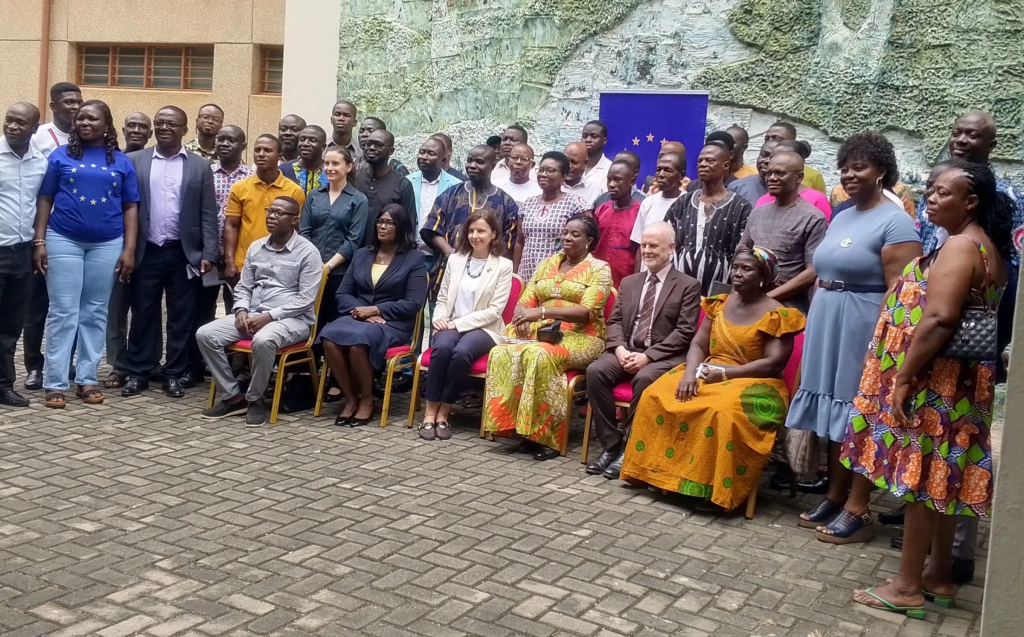
A major initiative aimed at restoring Ghana’s depleted forest reserves and improving rural livelihoods has been launched at the Forest Research Institute of Ghana (FORIG) in Fumesua, within the Ejisu Municipality of the Ashanti Region. The programme seeks to rehabilitate 5,000 hectares of degraded forest land and directly support 20,000 farmers and community members across several regions.
Ghana’s forests play a critical role in biodiversity conservation, climate resilience, food and water security, and local economic survival. However, years of pressure from illegal mining, unsustainable farming practices, logging, and recurring wildfires have left large portions of the country’s forest cover severely degraded.
To address this, the European Union is providing €2.4 million (approximately GH¢31 million) to finance the Forest Restoration Project. The initiative will be implemented by four local NGOs Goshen Global Vision, Nature & Development Foundation, Proforest Initiative Africa, and World Vision Ghana each tasked with supporting community-led restoration, promoting agroforestry, and strengthening partnerships for landscape recovery. The implementing regions include Ahafo, Bono East, Upper East, and Western.
Speaking at the launch, Ms. Paulina Rozycka, Head of Infrastructure and Sustainable Development at the EU Delegation to Ghana, said the project aligns with the EU’s broader Sustainable Forest and Cocoa Programme, which champions climate-smart agriculture and responsible value chains.
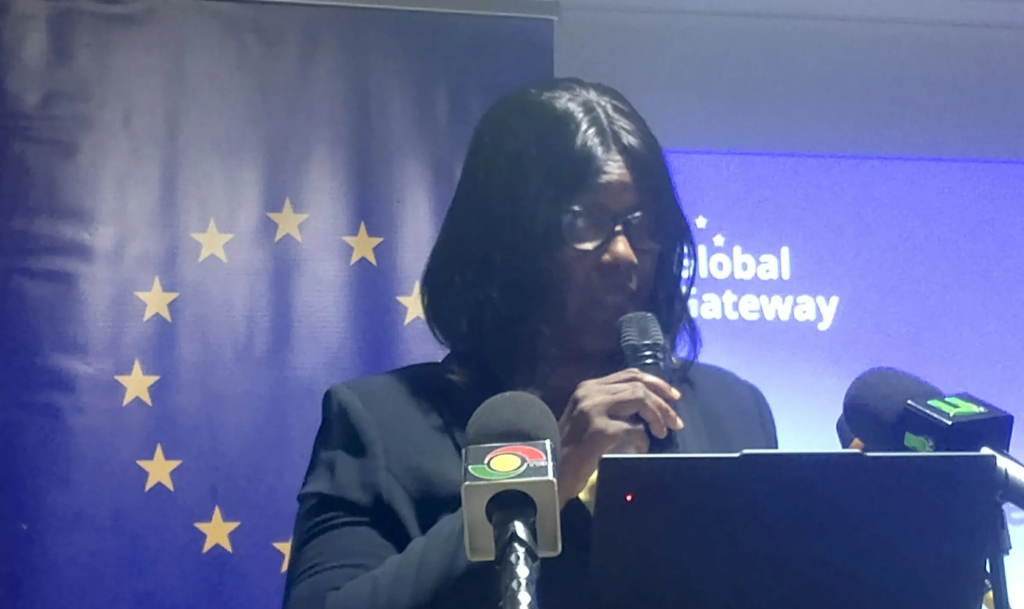
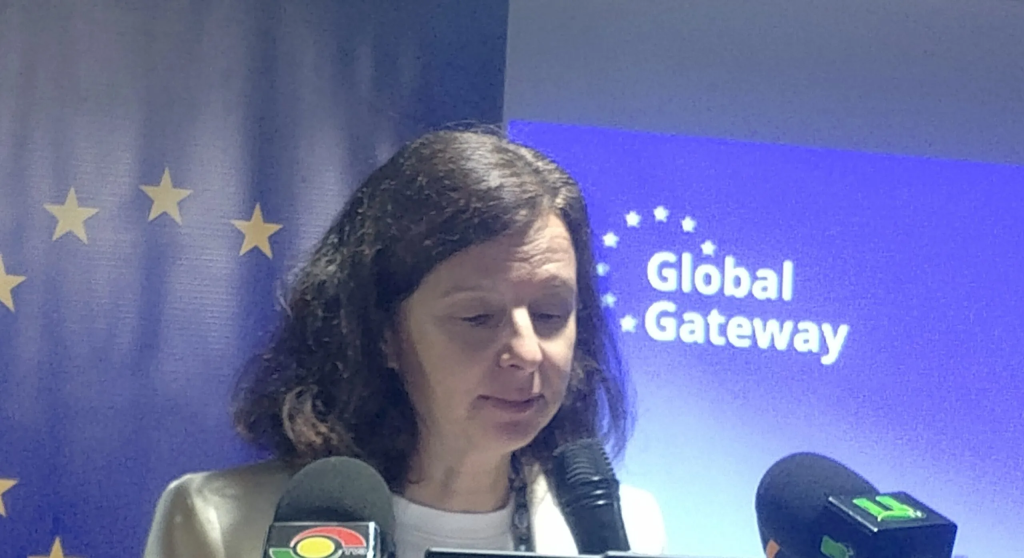
She added that degraded forests pose serious risks to ecosystems and local economies, noting that the initiative complements government’s Tree for Life programme aimed at reclaiming lost forest cover. Ms. Rozycka also highlighted Ghana’s progress toward FLEGT licensing, which certifies legally sourced timber for export to the European Union a milestone she described as evidence of Ghana’s commitment to sustainable forest governance.
Deputy Director of FORIG, Dr. Lucy Amissah, reiterated that illegal mining and unregulated farming remain major drivers of degradation. She said the project represents an important step toward promoting responsible land-use practices and reaffirmed FORIG’s commitment to supporting the restoration agenda.
A representative from the Forestry Commission, Mrs. Valerie Fumey Nassah, expressed the Commission’s full endorsement of the initiative, noting that it aligns with the Commission’s mandate to safeguard Ghana’s forests for public benefit.
To symbolically commence the project, dignitaries and stakeholders planted trees within the FORIG enclave.