
Stronger Cedi, Falling Inflation Open Door for Expanded Bank Lending – BoG
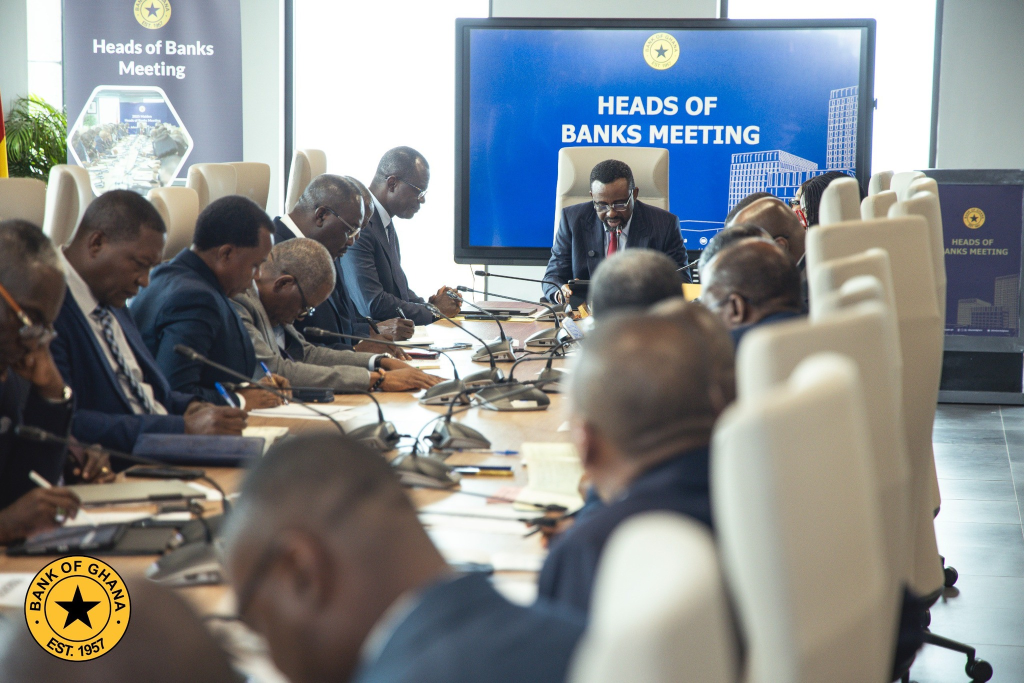
Ghana’s improving economic climate is creating new opportunities for bank lending, Bank of Ghana Governor Dr. Johnson P. Asiama has said. A stronger cedi, falling inflation, and a more stable macroeconomic environment are giving financial institutions room to expand credit while keeping risks in check.
The cedi has appreciated by more than 40 percent against the US dollar this year, supported by foreign reserves of US$11.1 billion, equivalent to 4.8 months of import cover. Inflation fell to 12.1 percent in August, its lowest in nearly four years, down from 13.7 percent in June. These gains prompted the central bank to cut its policy rate by 300 basis points to 25 percent in July, shifting its stance from defence to growth.
“The current conditions present a more favourable environment for prudent credit expansion,” Dr. Asiama told banking executives in Accra. He noted that inflation expectations among households and businesses are now firmly anchored, improving investor confidence.
Economic growth has remained strong, with GDP expanding 5.3 percent in the first quarter of 2025 and non-oil GDP up 6.8 percent, driven by agriculture and services. The Composite Index of Economic Activity rose 4.4 percent in May, indicating resilience in trade, construction, tourism, and consumption. Fiscal performance has also improved, with the first-half deficit at 0.7 percent of GDP, well below the 1.8 percent target, and public debt levels declining.
The banking sector is in a healthy position, described by the Governor as “well-capitalised, liquid, and profitable,” with non-performing loans falling due to better credit underwriting and improved economic conditions. Recent recapitalisation has further strengthened banks’ balance sheets.
However, lending rates remain elevated. Data from the Bank of Ghana show annualised percentage rates (APRs) ranging from about 17 percent to over 45 percent, with SMEs paying some of the highest rates despite the improved outlook. Households generally enjoy better terms, while corporates with strong credit profiles access rates closer to the Ghana Reference Rate of 23.8 percent.
To sustain stability, the BoG is introducing new regulations, including a Credit Risk Management Directive, Bancassurance Directive, large exposure limits, and stricter liquidity rules. The regulator is also tightening foreign exchange compliance and reviewing banks’ business models for long-term sustainability.
Dr. Asiama urged banks to translate macroeconomic gains into inclusive growth by supporting SMEs, financing critical infrastructure, and embracing digital solutions to expand access. “The challenge is to grow lending while preserving the hard-earned stability that now defines our financial system,” he said.