
CIB Ghana Rallies Banks, Industry Leaders on Monetary Policy’s Role in Driving Growth
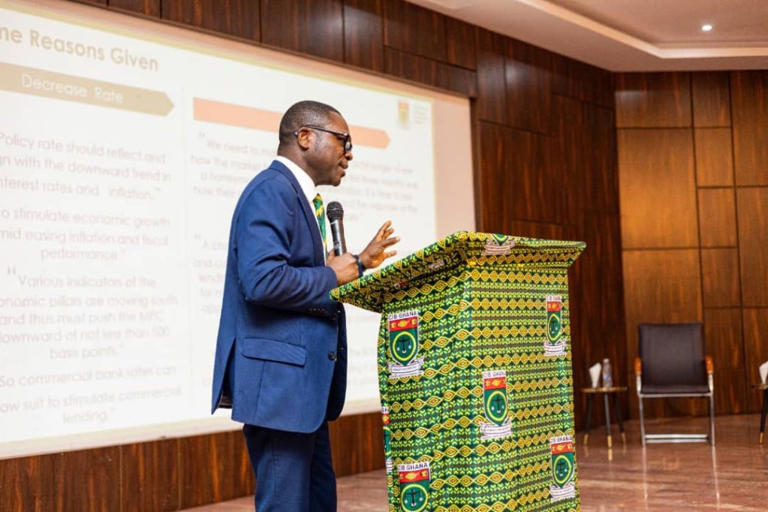
The Chartered Institute of Bankers, Ghana (CIB Ghana), says it remains committed to fostering professional dialogue on economic policy and its impact on the banking and financial sector.
At a high-level policy seminar in Accra, CIB Ghana President Benjamin Amenumey stressed the Institute’s dual mandate to promote ethical, professional conduct and to advance the development of the banking profession. “Fostering dialogue on monetary policy is a national duty,” he said.
The seminar, themed “Monetary Policy in Action: How MPC Decisions Shape Ghana’s Economy and Financial Sector,” brought together central bank officials, bankers, and industry leaders to examine how policy rate decisions affect lending, inflation, and financial sector growth.
CIB Ghana CEO Robert Dzato revealed that over 85% of stakeholders surveyed by the Institute had anticipated the Bank of Ghana’s recent rate cut, noting calls for closer alignment between monetary policy and economic growth.
Bank of Ghana Governor Dr. Johnson Asiama described the current disinflation process as “real, sustained, and progressive,” citing a drop in inflation from 25.8% in March to 13.7% in June 2025, and a Ghana Reference Rate decline from 32.5% in January to 27.7% in July. He also pointed to a more than 40% year-to-date appreciation of the cedi, which has eased imported inflation.
Dr. Asiama cautioned banks to prepare for a changing financial landscape, signalling new credit risk guidelines. He urged them to move away from reliance on government securities and channel more financing to small businesses, agriculture, and green projects.
Industry voices, including Association of Ghana Industries President Dr. Humphrey Ayim Dake, welcomed the prospect of lower lending rates, expressing hope that cheaper credit will flow into productive sectors.
The seminar ended with a consensus that transparent, inclusive policy dialogue is key to strengthening Ghana’s financial system and sustaining economic progress.